Assessment of Dikeledi’s visit to Mayotte
This weekend of January 11 and 12, 2024, the island of Mayotte was once again affected by a tropical system, a little over a month after the passage of Cyclone Chido, having directly impacted the island in December.
After having adopted a trajectory similar to Cyclone Chido to the north of Madagascar, Cyclone Dikeledi fortunately headed further south than its predecessor, also showing itself to be much less powerful and losing more intensity as it approached the archipelago.
Trajectories of Chido and Dikeledi over the Indian Ocean – Weather-Cities
Dikeledi thus circulated during the day of Sunday January 12 to the south of the archipelago as a moderate tropical storm, its center passing closest about 100km south of Mayotte in the middle of the day. The island had still been placed on red alert by Météo-France due to the risk of very heavy rain and flooding.
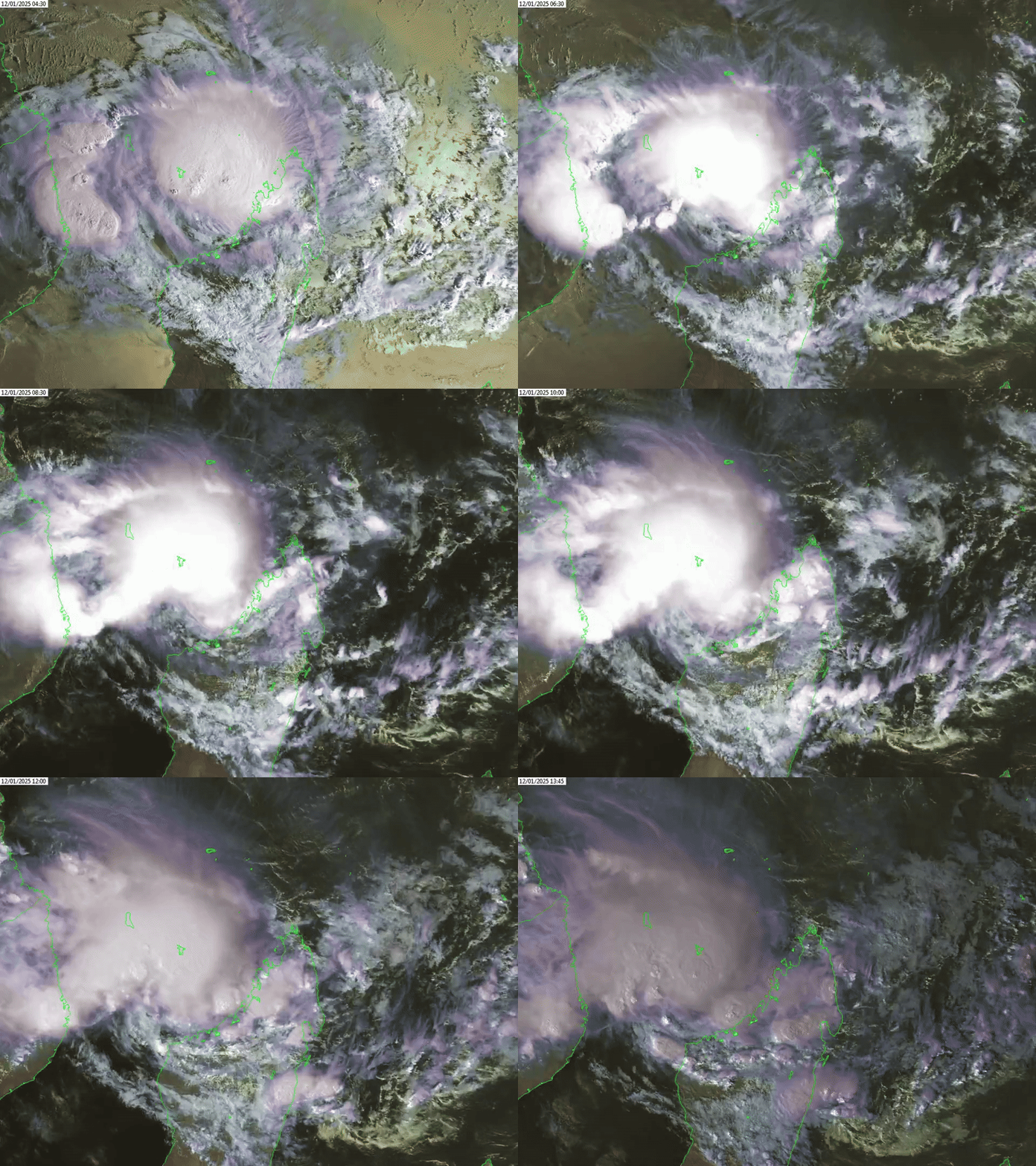
Evolution of Dikeledi during the day of January 12, 2025 – EUMETSAT
Fortunately, the impact of this tropical storm remained relatively limited with wind gusts only rarely and locally exceeding 80-90 km/h, locally a little more in exposed sectors. In the end, it was mainly the heavy stormy precipitation which caused the most difficulties in the sector, sometimes causing notable flooding in the South and Center of the island, such as in the village of Mbouini where we were able to record up to 94 mm in just 3 hours with many homes damaged.
On the few stations remaining following the passage of Chido, we were able to note:
- Bandrele: 180mm and 12h dont 120mm and 3h
- Mbouini: 94mm at 3 hours
- Vahibe : 65 mm
- Pamandzi: 45 mm – gusts to 88 km/h
- Trevani: 26 mm
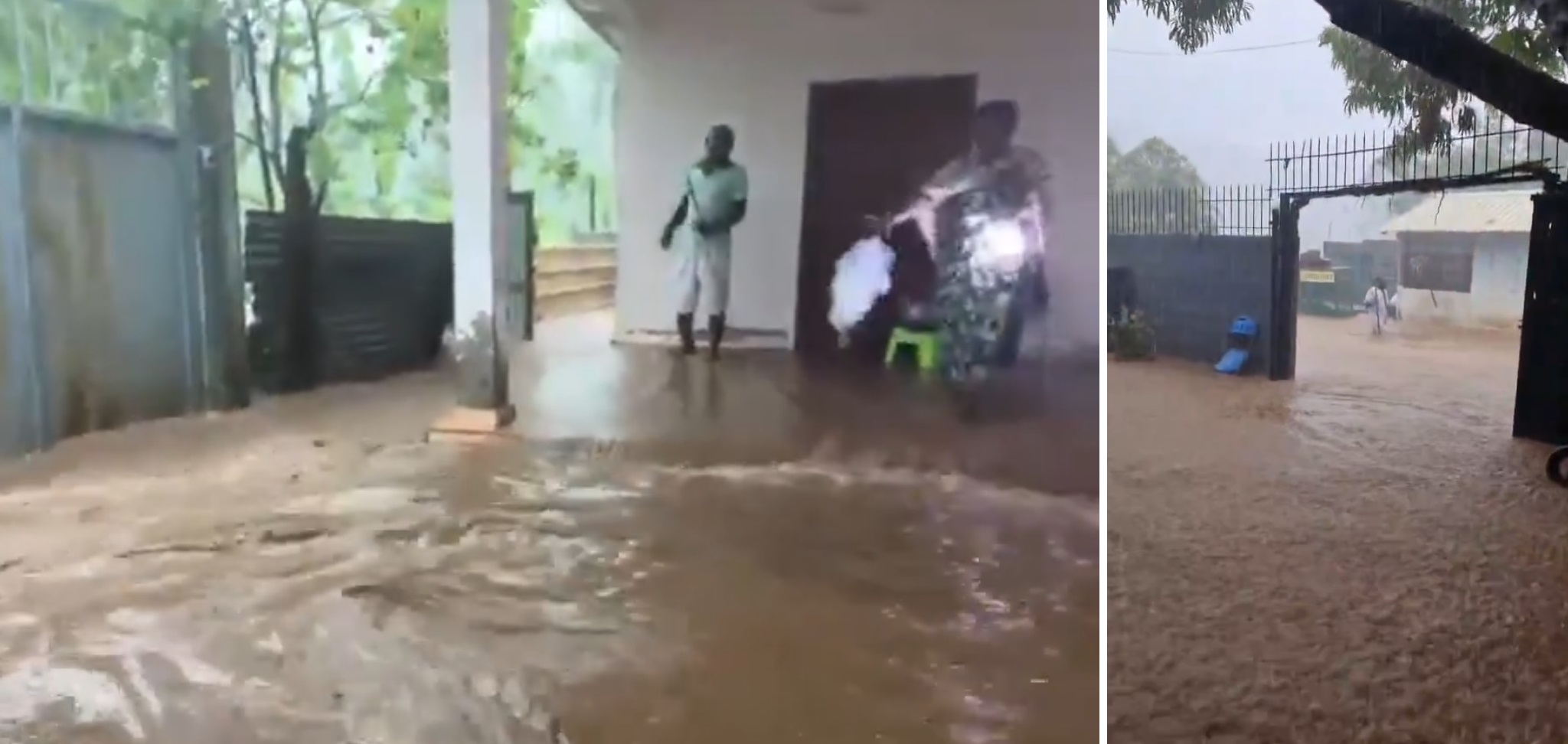
Floods in the village of Mbouini on January 12, 2025 – Via Twitter @Mayottela1ere
Fortunately, no casualties were reported on the Mayotte site during the passage of this tropical storm and the material damage remained relatively limited. It is important to note that 80 emergency accommodation centers had been opened and welcomed 15,000 people, to which were added 5,000 residents hosted in mosques.
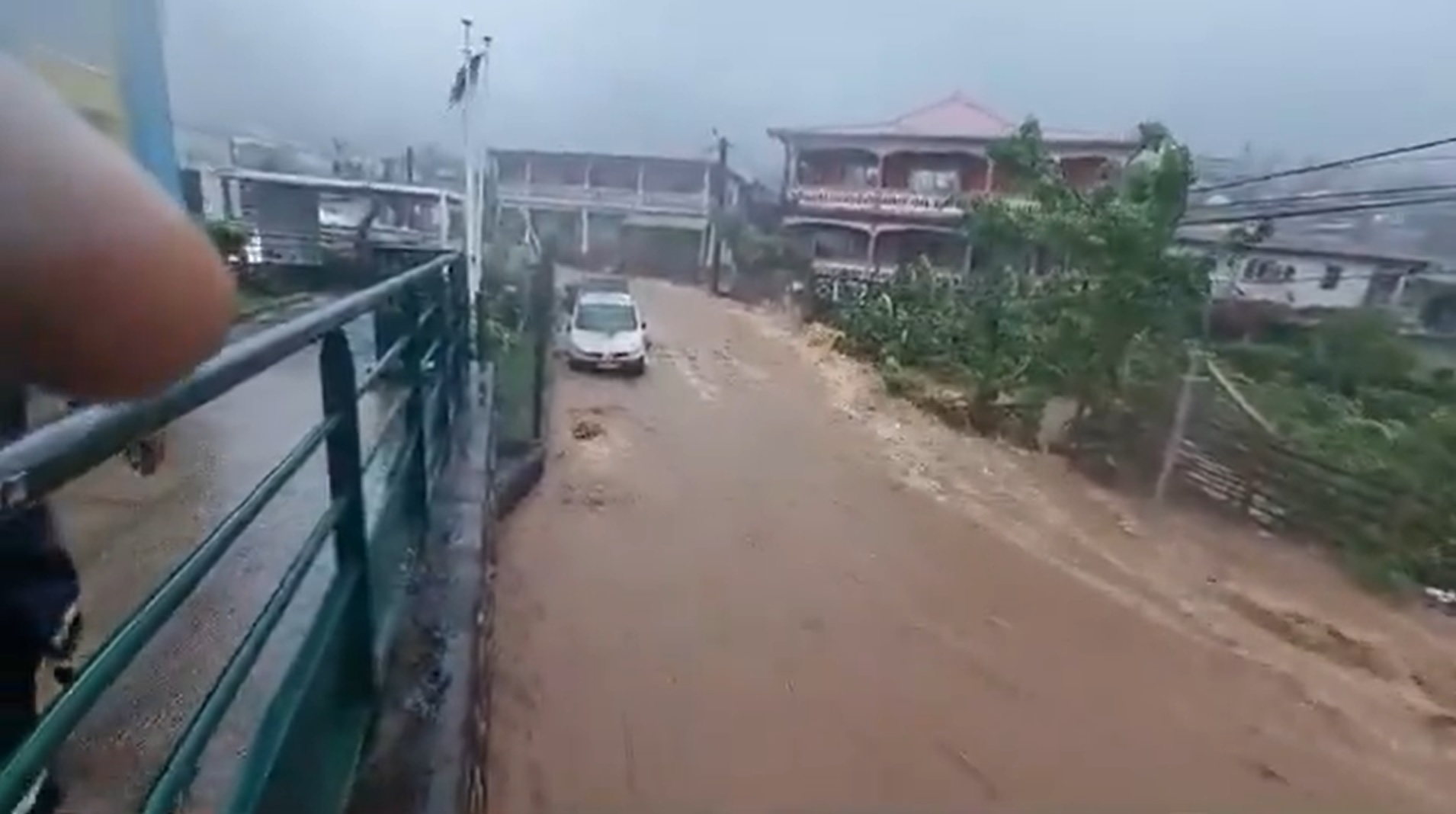
Flooding in Ouangani in the center of the island of Mayotte following heavy rains on January 12, 2024 – Via Twitter @S2de2021
In addition, the population had been confined since the evening of Saturday January 11 to limit the risks linked to the passage of Dikeledi. The red vigilance was still in force until Monday afternoon, heavy stormy precipitation linked to the flow of “Kashkasi” still affecting the archipelago at the start of the week and could still lead to flooding and/or landslides. of land. However, this phenomenon remains quite usual during this season.
Why such media coverage for Dikeledi?
Normally, most of the media would have paid little or no attention to the passage of a moderate tropical storm several tens of kilometers south of Mayotte.
However, it is important to note that the island is still very weakened by the passage of Cyclone Chido at the beginning of December 2024, having devastated the sector and caused at least 39 victims and several thousand injured.
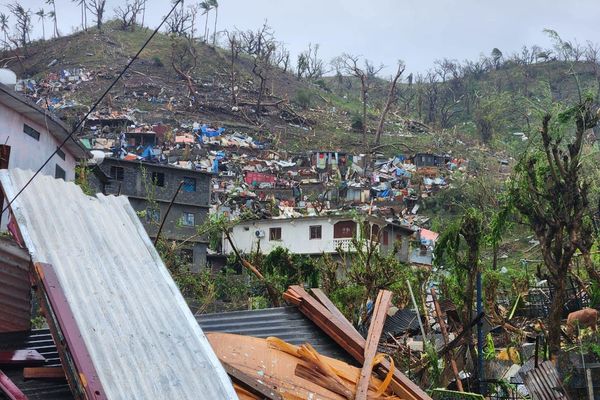
Major damage in Mayotte following the passage of Chido on December 5, 2024 – AFP
However, the passage of a tropical storm, even if it was not expected to directly impact Mayotte, and the associated heavy rains/wind gusts, could cause significant difficulties in the sector, the slightest flood being able to have serious consequences on a territory which has not yet recovered from the passage of a major cyclone a few weeks earlier.
This is also partly why the red vigilance was triggered by Météo-France on Mayotte even if the phenomena associated with the passage of Dikeledi were not extremely intense (except in a localized manner) and this was maintained until at 3 p.m. on January 13 as the cyclone moved away towards Mozambique while gaining intensity again.
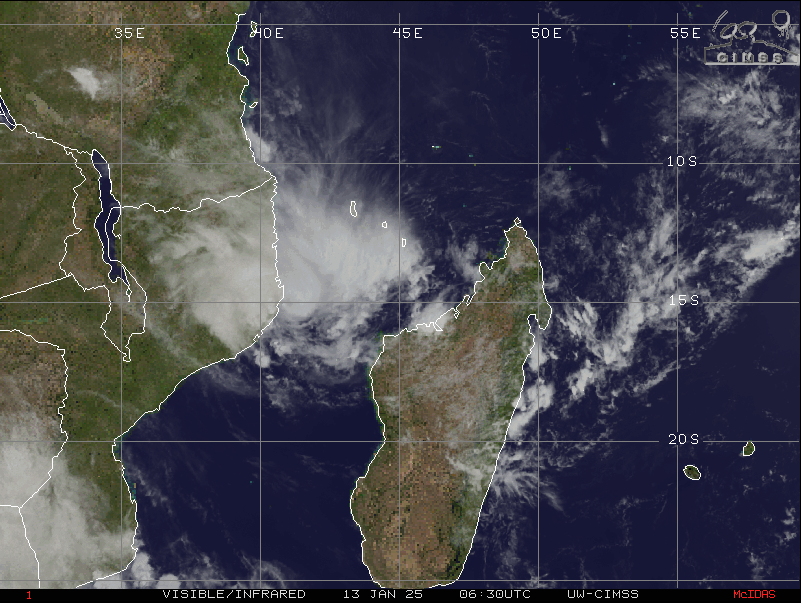
Cyclone Dikeledi hits Mozambique on January 13, 2025 – UW-CIMSS
Unusual cyclonic activity on Mayotte?
In just 5 weeks, Mayotte was affected by two tropical systems, including a major cyclone, a recurrence which seems significant for this sector which did not seem to be subject to a very significant cyclone risk until then.
However, Mayotte is located in the formation zone of tropical systems in the Indian Ocean and is subject to a cyclonic risk every year, particularly between November 15 and April 30, the official period of the cyclone season in this part of the globe. .
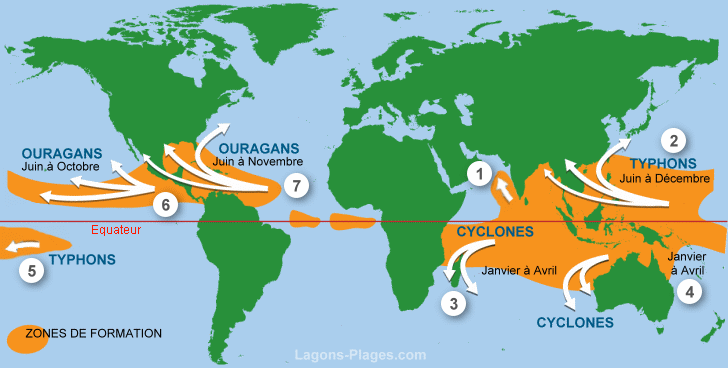
Distribution of tropical system formation zones across the world – Via lagoon-beaches
However, as a general rule, the Mayotte archipelago is quite “protected” by the island of Madagascar, cyclones overflowing from the Indian Ocean tending to run aground on the east of the island and lose quickly in intensity. However, it happens that certain systems manage to circulate just north of Madagascar before extending over the Mozambique Channel, more or less affecting Mayotte, as evidenced by the map of the trajectories of tropical systems over the Indian Ocean between 1980 and 2005. .
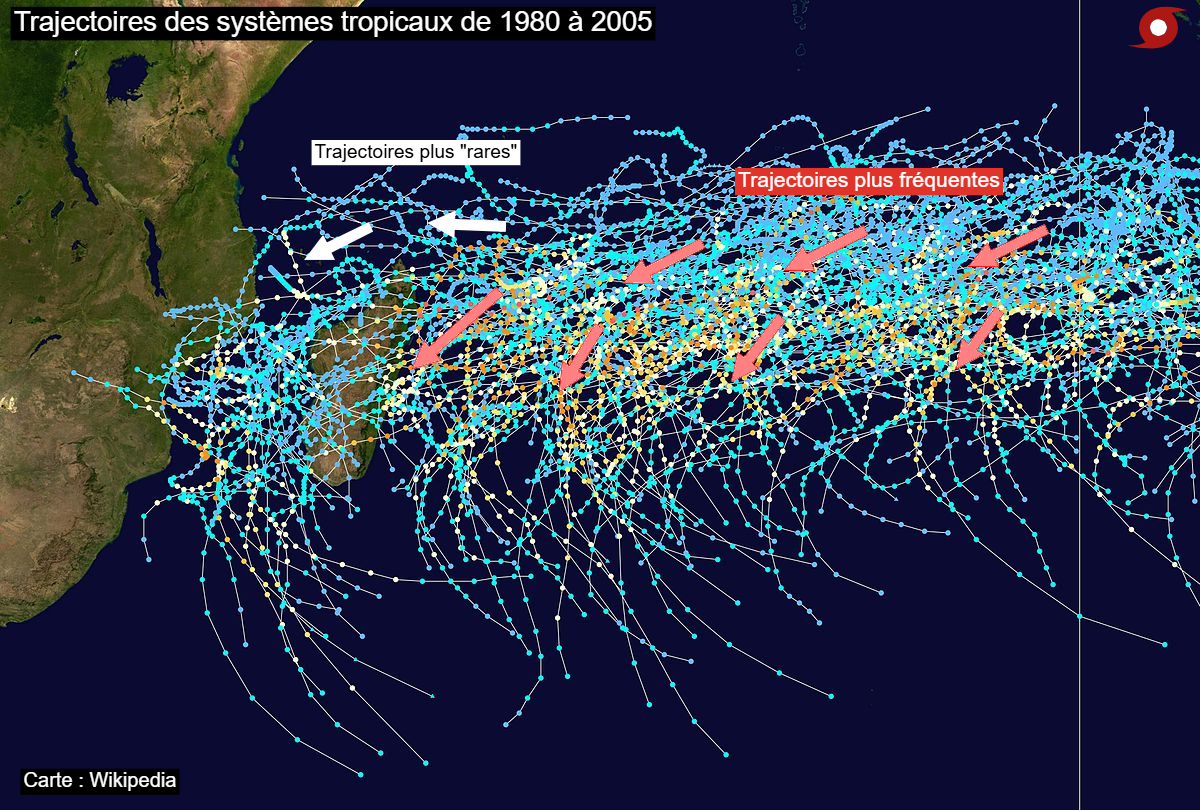
Cyclone trajectories over the Indian Ocean from 1980 to 2005 – via Wikipedia
This was precisely the case for Chido and Dikeldi, these two systems having formed further east and having adopted a fairly similar trajectory, brushing the north of Madagascar before plunging towards the Mozambique Channel.
Thus, even if this phenomenon remains frequent, it is not exceptional for Mayotte to be affected by tropical systems. Between 1976 and 2002, for example, the island was hit by 4 cyclones and 10 tropical storms. Another example, in 2022 5 tropical systems influenced the archipelago, including cyclone Gombe, fortunately having circulated a little more than 200km to the south of the island.
Since 2019, there are generally between 1 and 5 tropical systems which more or less frankly affect the archipelago each year, most of which have lost intensity as they circulate near or over Madagascar.
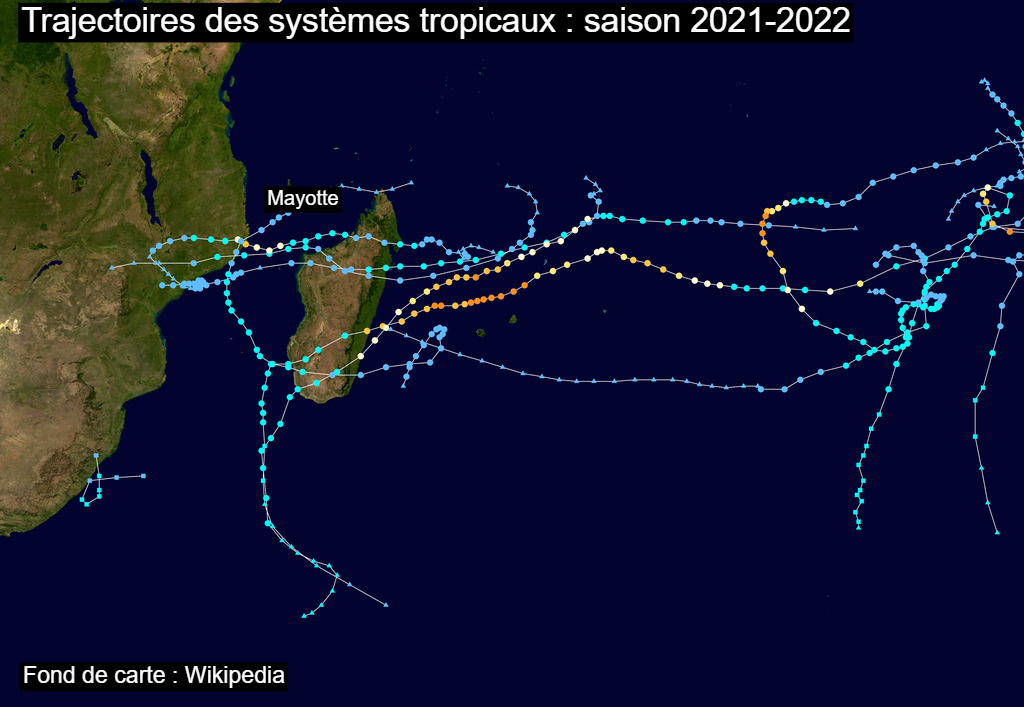
Trajectories of tropical systems over the Indian Ocean during the 2021-2022 season – Wikipedia
Direct impacts, however, remain rare, particularly due to the very small size of the island of Mayotte (around 35km wide) and the “protection” of Madagascar. As mentioned previously, cyclones coming from the Indian Ocean are much more likely to end up on Madagascar than to avoid the island to influence Mayotte.
So, two tropical systems affecting Mayotte in less than two months is not such an unusual event in itself. What was truly exceptional, however, was the direct impact of intense cyclone Chido on the archipelago at the beginning of December 2024, with unfortunately very serious human and material consequences on the island.